
The Most Dangerous Part of Your Garage Door
By Matt Kuehlhorn, Founder
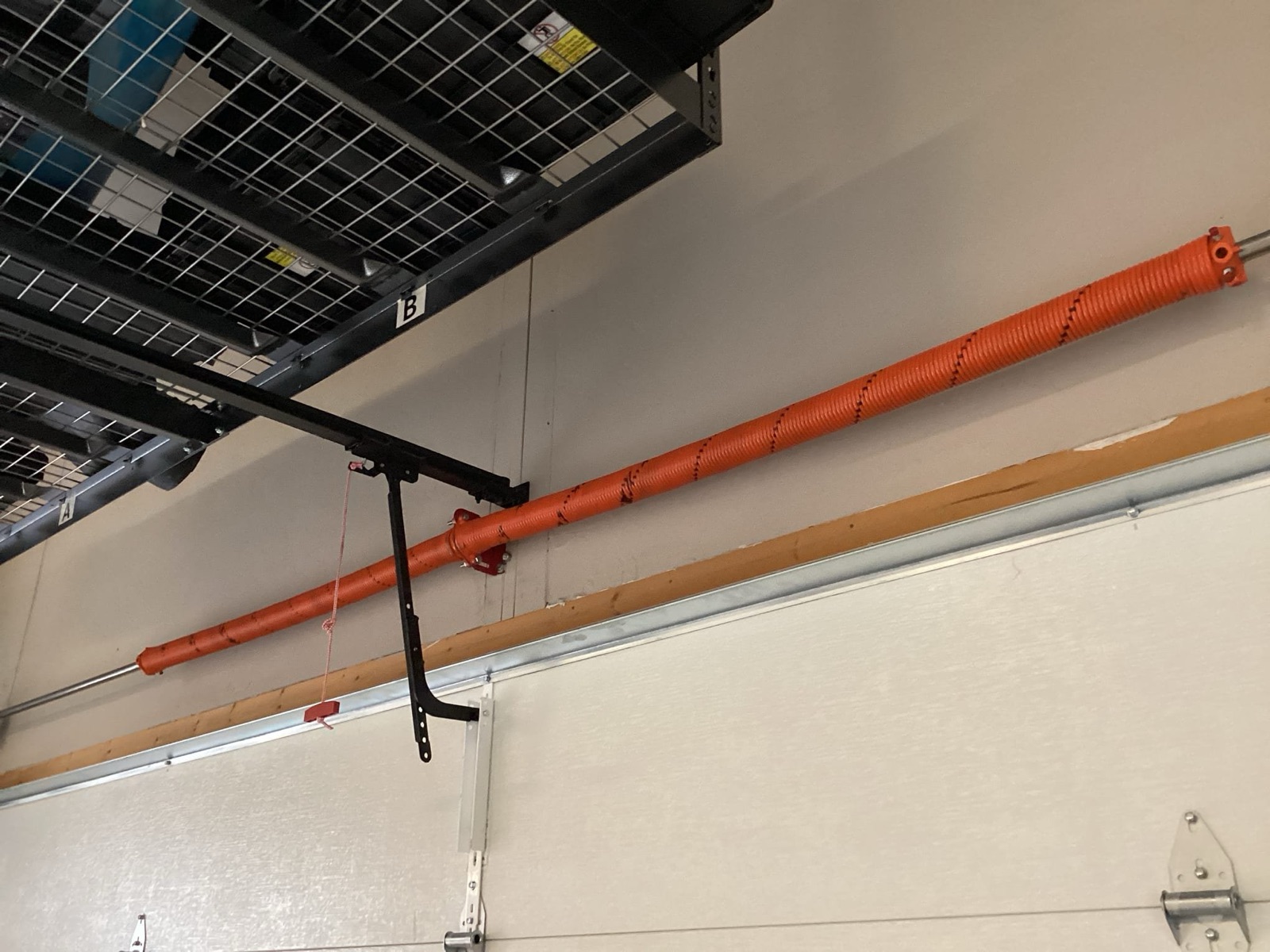
If you read this week's Behind The Door, you already know where this is headed. This is the full read behind it. Kraftsman to homeowner, no scare tactics, just the truth about the one part of your garage door that deserves your respect.
There is a part of your garage door that holds enough force to break a bone, and most folks have never given it a second look. It is the torsion spring, that tightly wound steel bar mounted across the top of the door.
Why the spring is the part that matters
Your garage door is the heaviest moving object in your home, often a couple hundred pounds. The torsion spring is what lifts it. Every single time the door goes up, that spring unwinds and does the heavy work so your opener doesn't have to.
Which means it lives under enormous tension all day, every day. And here is the honest part, neighbor to neighbor: every spring wears out eventually. When one finally lets go, it can fail with a violent snap. That is not us trying to scare you. It is simply the single most common serious-injury point on a residential garage door, and it is exactly why spring work is never a do-it-yourself job.
Your door usually warns you first
The good news: a spring rarely fails without giving you a heads-up. Learn these four warnings and you'll almost always have time to call before it snaps, not after.
A loud bang from the garage. If you heard what sounded like a firecracker or a heavy thud and now the door won't budge, a spring may have already broken. Don't try to force it open.
The door suddenly feels heavy, or won't stay up. If it slams down faster than it should, or drifts back down when you stop it halfway, the spring is losing the tension that holds the weight.
Slack or frayed cables. The cables work hand-in-hand with the spring. When you see one hanging loose or starting to fray, the system is out of balance.
An opener that strains. If your opener suddenly sounds like it's working harder than it used to, it's because the spring isn't carrying its share anymore, and the motor is picking up the slack it was never built to carry.
"We don't just fix the door. We make it safe. And we leave it safe long after we pack up the truck."
The Kooler difference: the patent pending K Kap
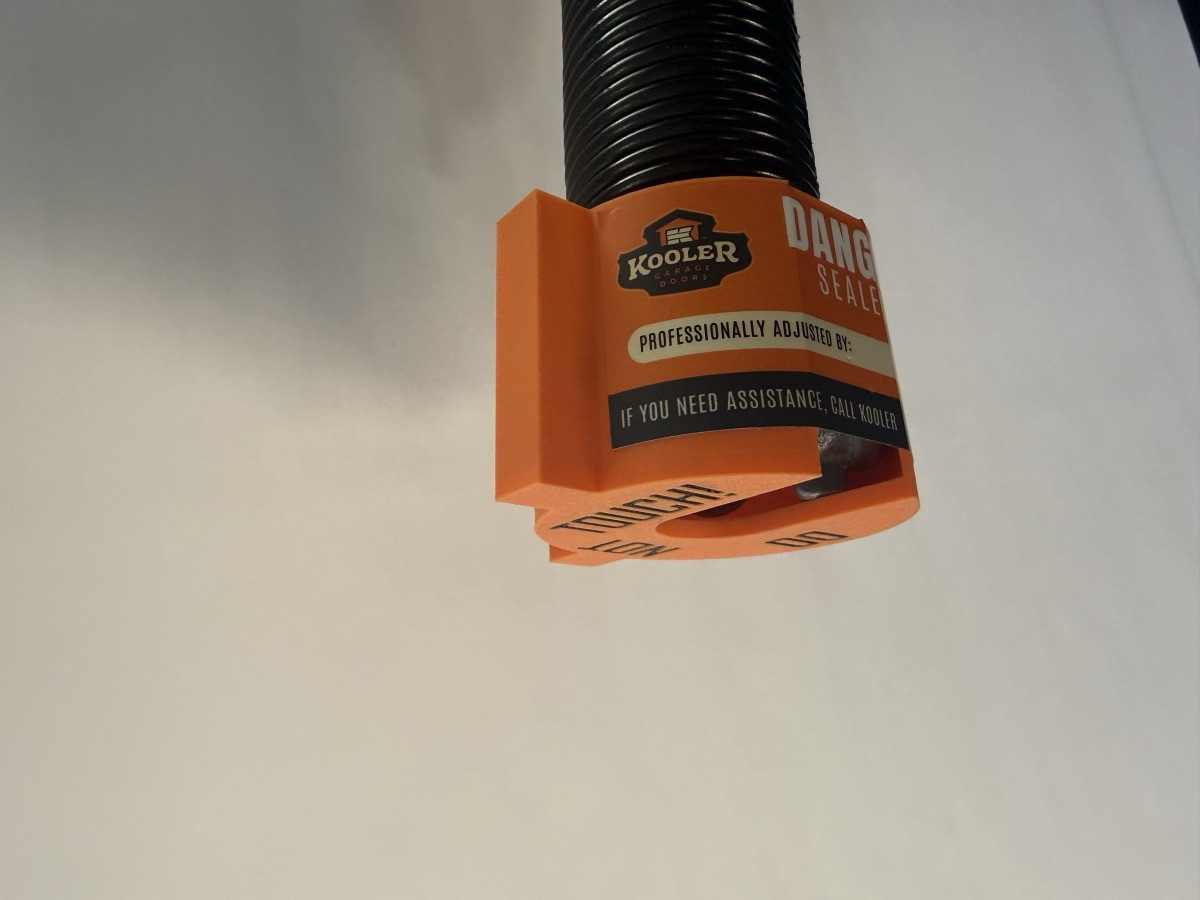
Here's the part nobody else in the valley brings. On every door we touch, we install the K Kap, our patent pending torsion-spring safety cap. We didn't wait for the industry to make this the standard. We made it ours.
The K Kap is a simple, smart piece of engineering that covers the adjustable winding-cone end, the high-torque part of the system that homeowners and DIYers should never put hands into. It is a visible warning, not armor: it does not contain a spring, it tells you where the danger lives, long after we're gone. It comes standard. It's free. And it's the kind of thing you only notice you're glad to have the day somebody reaches for the wrong part.
What "doing it right" actually looks like
Before any Kooler Kraftsman touches your spring, they sit down with you first. They introduce themselves, tell you who they are and what they're there to do, and give you the honest read on what your door actually needs, not the most expensive thing they can sell.
Why? Because you deserve to feel safe with the people you invite into your home. That's the same standard whether it's a ten-minute spring replacement or a full repair. This is the part most companies skip. For us, it's the whole point.
The easiest way to never worry about it again
The homeowners who sleep easiest are the ones on our Golden Key membership. It's the relationship version of everything above: a Kraftsman who already knows your door, an annual safety check that catches a tired spring before it turns into an emergency, and a standing invitation to text us first.
Membership isn't a discount club. It's the connection, kept open year-round. The work is garage doors, but the job is earning a place at your door before we ever touch it.
So if your door is getting loud, jerky, or slow, or you just can't remember the last time anyone looked at the spring, let us take a look. The inspection is honest, the read is straight, and the K Kap comes standard.